Dysphagia

Causes and associated conditions

Connections between dysphagia, stroke, Parkinson disease, Alzheimer disease, aging, and related conditions.

Safety note
This content is educational. Do not change food texture, liquids, medication routines, or exercises without professional guidance.
Related articles

Read within this subcategory

Back to center
Healthcare professional assessing swallowing after intubation with a recovering patient
Dysphagia

Dysphagia after intubation: why swallowing may change after extubation

Learn why swallowing difficulty may occur after intubation, which post-extubation signs deserve attention, and when assessment is needed.

Read article
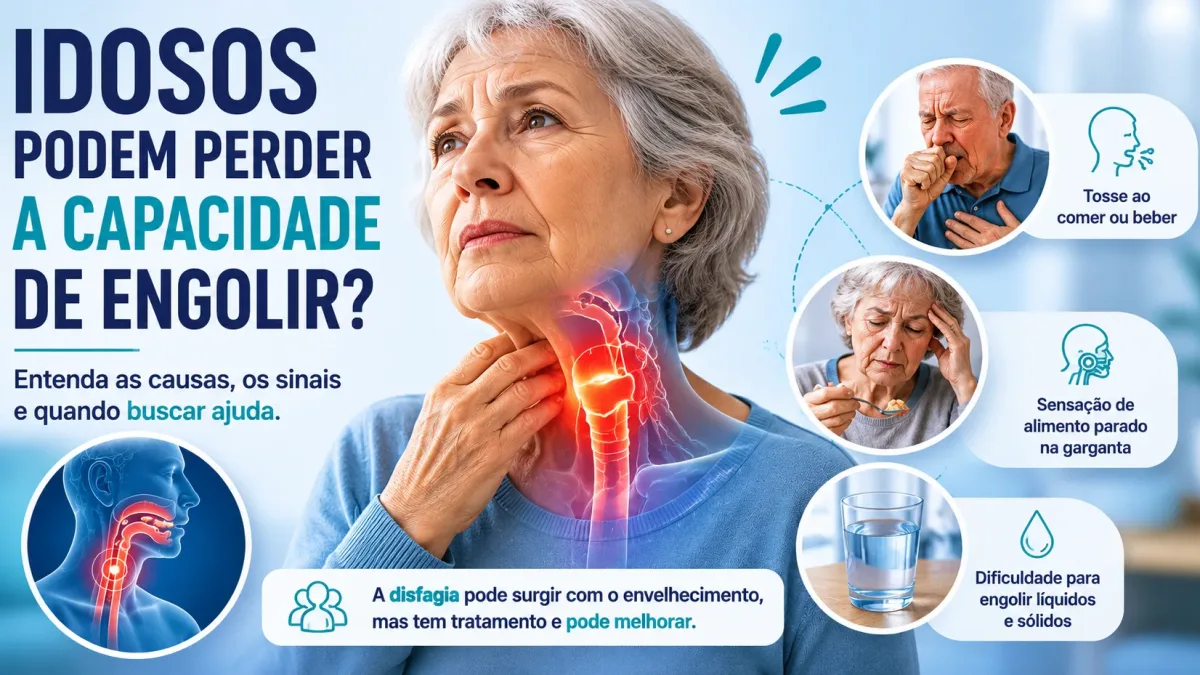
Older adult receiving guidance about swallowing difficulty and dysphagia signs
Dysphagia

Can older adults lose the ability to swallow? What to observe

Learn why older adults may develop swallowing difficulty, which signs are not normal aging, and when professional assessment is needed.

Read article
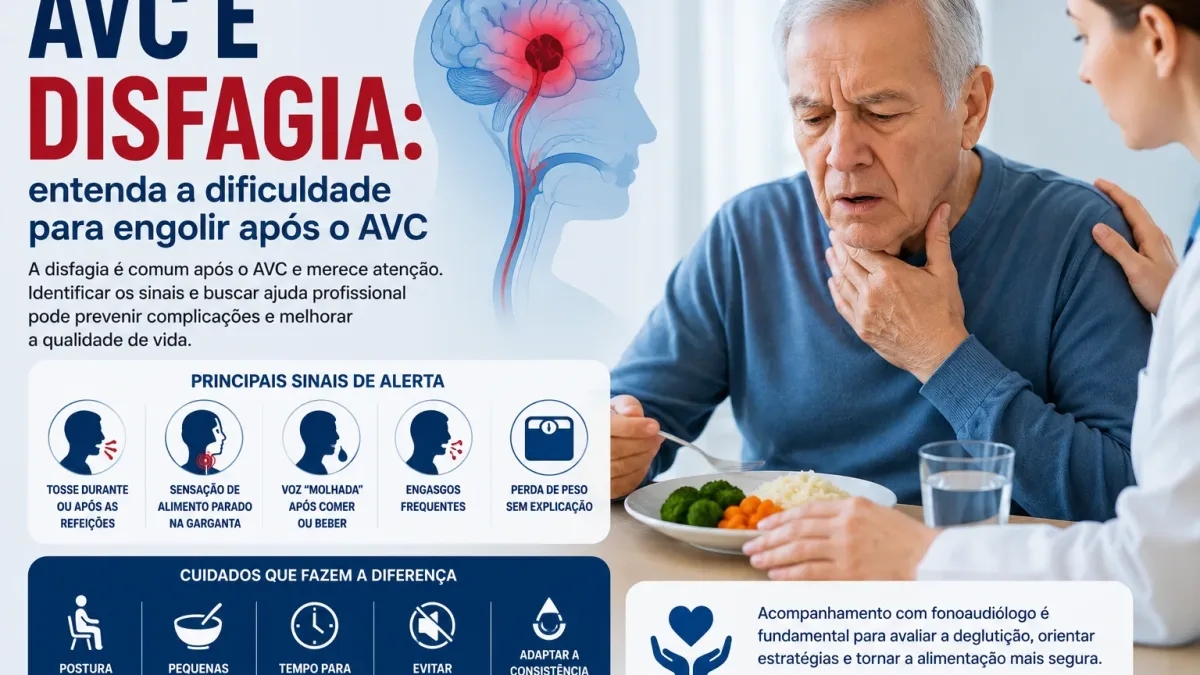
Person recovering after stroke with guidance about dysphagia and mealtime safety
Dysphagia

Stroke and dysphagia: signs, risks, and safer mealtime care

Learn how stroke can affect swallowing, which mealtime signs to observe, aspiration risks, and when professional assessment is needed.

Read article
Person with Parkinson disease receiving guidance about swallowing difficulty and dysphagia
Dysphagia

Parkinson disease and swallowing difficulty: signs and safer mealtime care

Learn how Parkinson disease may affect chewing, saliva, and swallowing, which signs to observe, and when assessment is needed.

Read article

Related subcategories