Dysphagia after intubation: why swallowing may change after extubation
Learn why swallowing difficulty may occur after intubation, which post-extubation signs deserve attention, and when assessment is needed.

Learn why swallowing difficulty may occur after intubation, which post-extubation signs deserve attention, and when assessment is needed.
Learn why swallowing difficulty may occur after intubation, which post-extubation signs deserve attention, and when assessment is needed.

Learn how to prepare the meal environment for an older adult with dysphagia, with fewer distractions, better support, suitable utensils, and signs to pause.

Learn why cutting many foods because of choking fear may harm nutrition, hydration, and quality of life in dysphagia.

Learn what to organize at home after discharge when an older adult has dysphagia, including meals, fluids, medication, and warning signs.

Learn when mild dysphagia may get worse, which mealtime changes to monitor, and when professional reassessment is needed.

Learn when soda may increase choking risk in dysphagia, which signs to watch for, and how to drink more safely.

Learn why drinking water while lying down may increase choking risk in older adults and how to offer fluids more safely.

Learn when choking stops looking isolated, which patterns may suggest dysphagia, and when to seek assessment or urgent care.

Learn how to choose a health app for dysphagia monitoring with privacy, clear limits, and professional support.

Learn when people with Parkinson's disease may drink liquids normally, which dysphagia signs matter, and when texture changes may be needed.

Learn why an older adult may choke on saliva, which signs deserve attention, and how caregivers can respond safely.

Learn why bread can be difficult in dysphagia, which textures need caution, and what signs deserve assessment.

Learn when coffee may cause choking in dysphagia, which signs to watch for, and how to drink more safely.

Learn when scrambled eggs may be easier or harder in dysphagia, which textures need caution, and what signs to watch for.

Learn how rice and beans may be adapted for dysphagia, with attention to texture, moisture, and choking signs.

Learn how digital alerts in dysphagia can help caregivers observe warning signs without replacing professional assessment.

Learn how to share digital dysphagia records clearly and safely while protecting health data during appointments.

Use this daily checklist to observe dysphagia signs, meals, hydration, medication issues, and when to seek help.

Learn how ripe banana, papaya, and avocado may be adapted into safer textures for people with dysphagia.

Learn how artificial intelligence may support dysphagia screening and assessment, where it is being studied, and why clinical oversight matters.

Learn how oropharyngeal and esophageal dysphagia differ, including symptoms, causes, tests, and which professionals may help.

Learn why an older adult may hold food in the mouth, how to respond safely, and which signs require professional assessment.
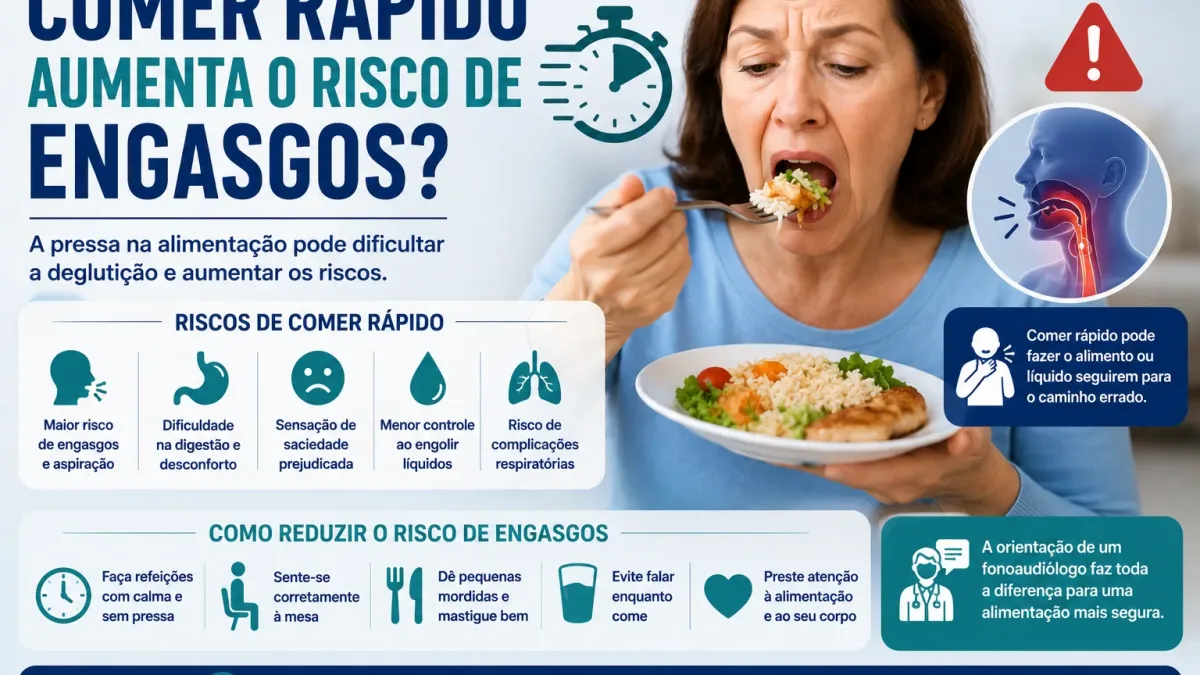
Learn why eating too fast may increase choking risk, which signs to observe, and how to organize calmer meals without improvising care.

See how posture, pace, alertness, and warning signs matter when offering food to a bedridden older adult.

Learn signs of fatigue during meals in older adults and when this may suggest dysphagia or choking risk.

Understand why very juicy fruits may increase choking risk in dysphagia and what caregivers should observe.

Learn how to organize schedules, environment, supervision, and observations for safer dysphagia care at home.

See how caregivers can supervise meals with respect, safe pacing, posture, and attention to warning signs.

See key care tips for older adults with dysphagia, including posture, safe eating, warning signs, and professional support.
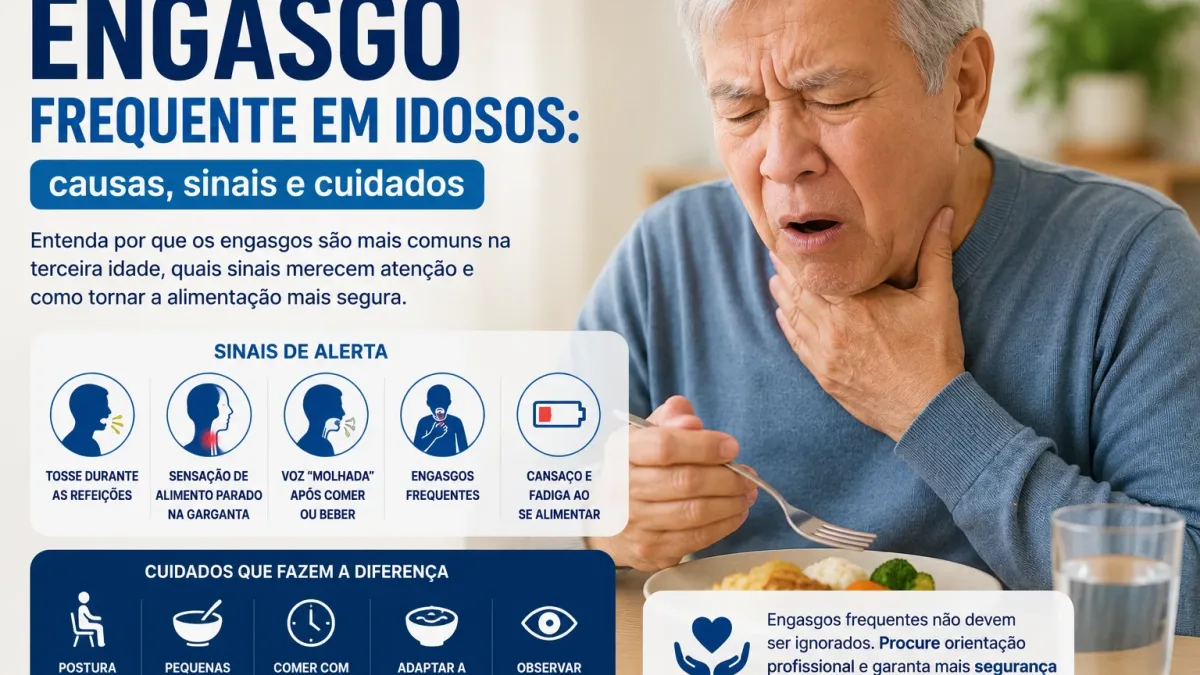
Understand why frequent choking may happen in older adults, which signs deserve attention, and when to seek help.

Learn how to recognize choking signs, understand mild and severe episodes, and know when urgent help is needed.

Learn why oral hygiene matters in dysphagia care and how caregivers can support safer daily routines.
Understand why lying down right after meals may require caution in older adults and which signs deserve assessment.

Learn what to observe after an older adult chokes, which signs deserve attention, and when to seek assessment.
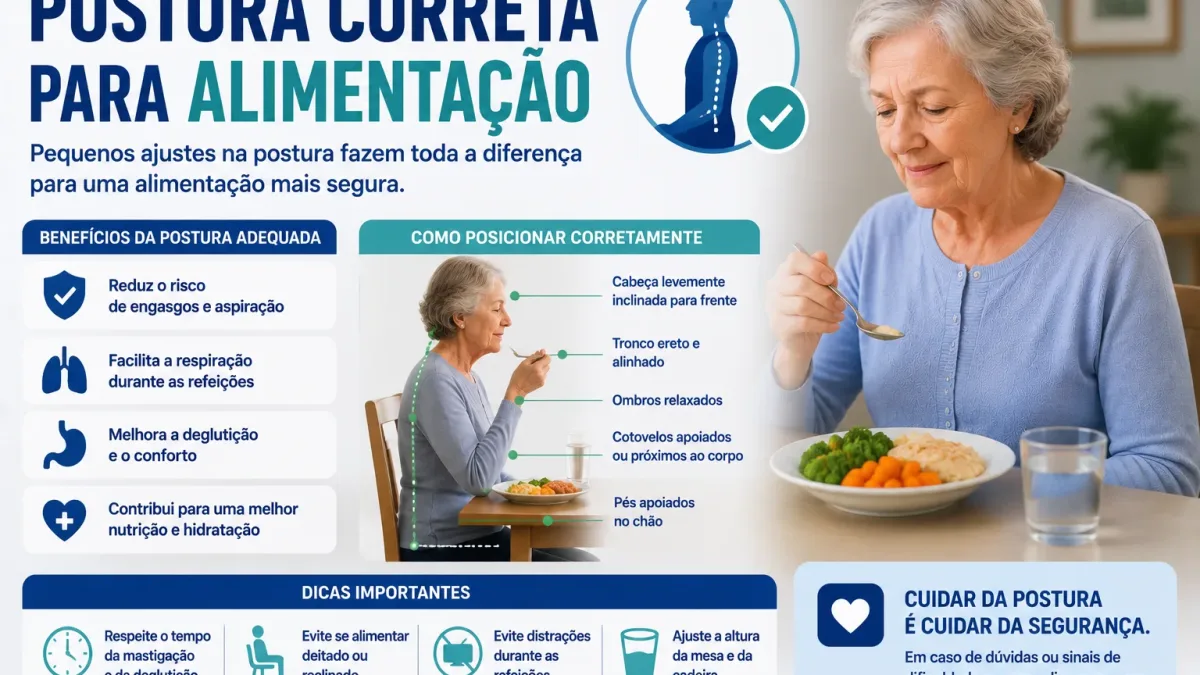
Learn how eating posture can help reduce choking risk and how caregivers can support safer meals.
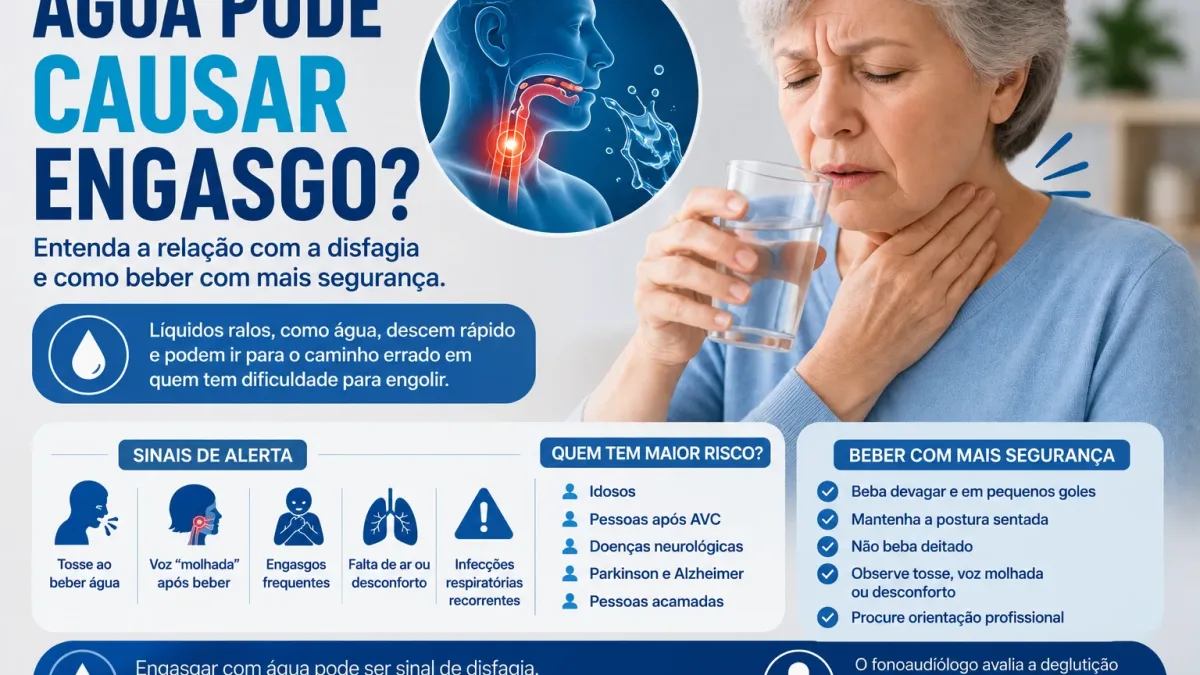
Learn why water may cause choking in some people, what signs to observe, and how to protect hydration safely.

See key safe eating precautions for dysphagia, including food texture, posture, meal pace, and professional guidance.
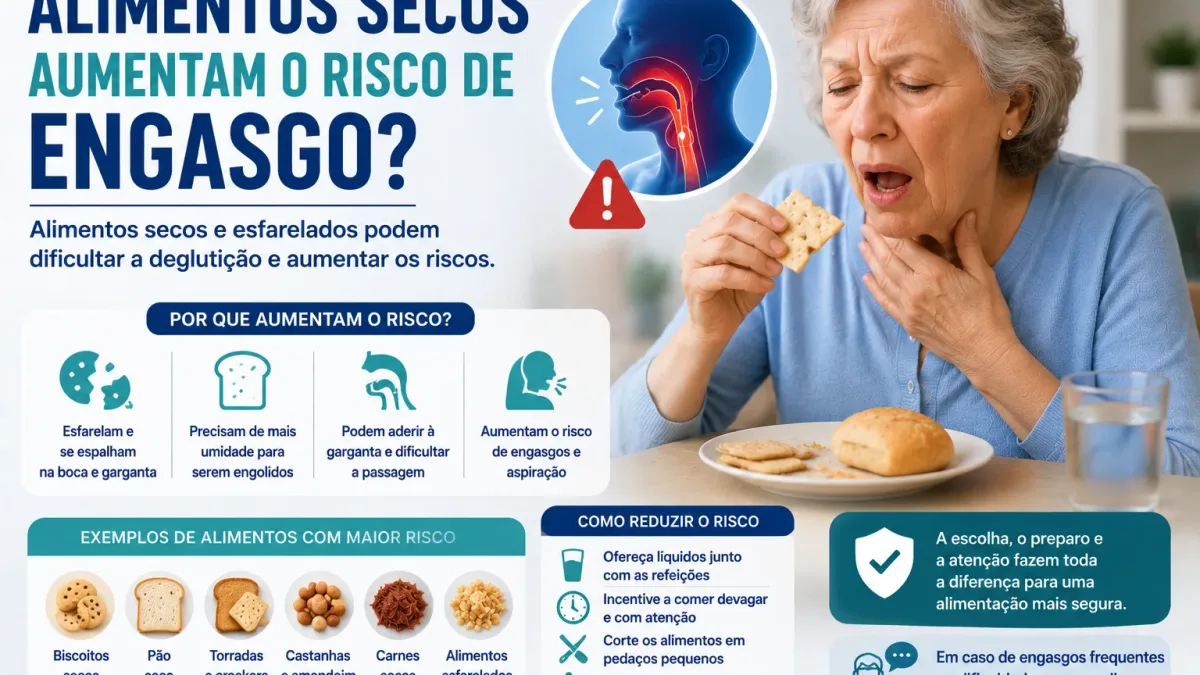
Understand why dry foods may increase choking risk, how to identify unsafe textures, and when to seek professional advice.

Learn why mixed-consistency foods may increase choking risk in dysphagia and what signs deserve professional assessment.

Learn how Alzheimer’s disease may affect eating, dysphagia signs, and precautions that can make meals safer.
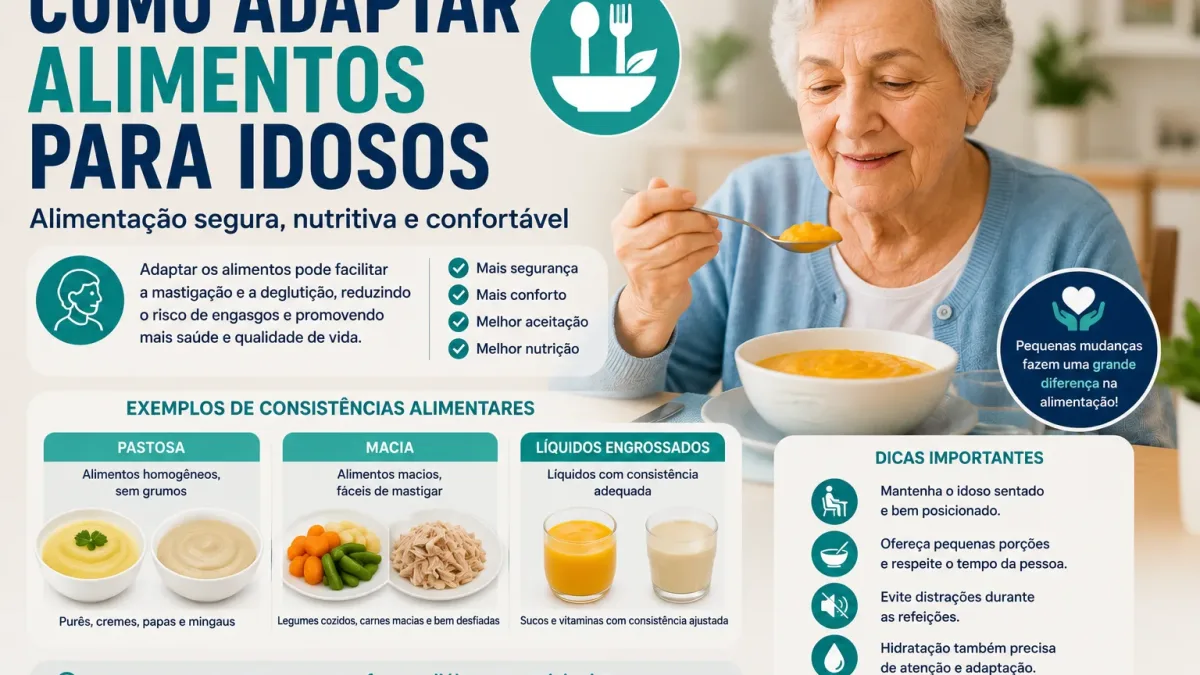
Learn how foods may be adapted for older adults with dysphagia while keeping safety, comfort, and nutrition in mind.
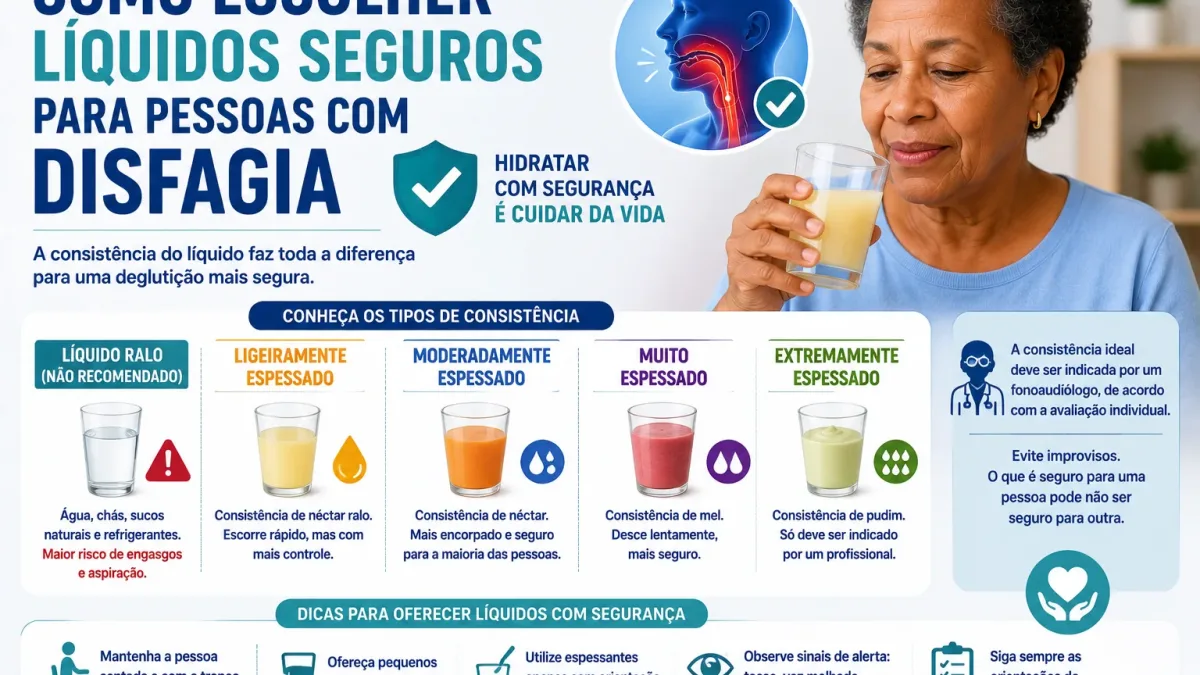
Learn why there is no universally safe liquid in dysphagia, what characteristics to observe, and when to discuss thickening with the care team.
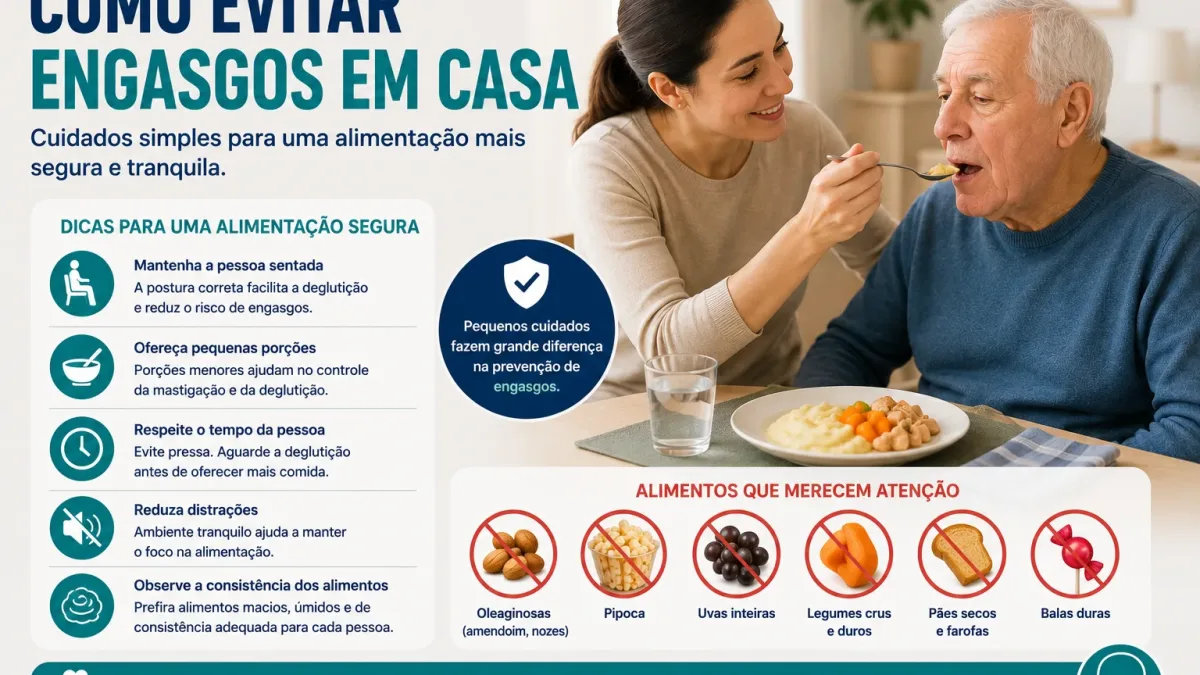
See simple safe eating precautions that may help reduce choking risk at home, especially for older adults and people with dysphagia.

Learn when thickened liquids may be used in dysphagia, how consistency affects swallowing, and why improvising can be risky.
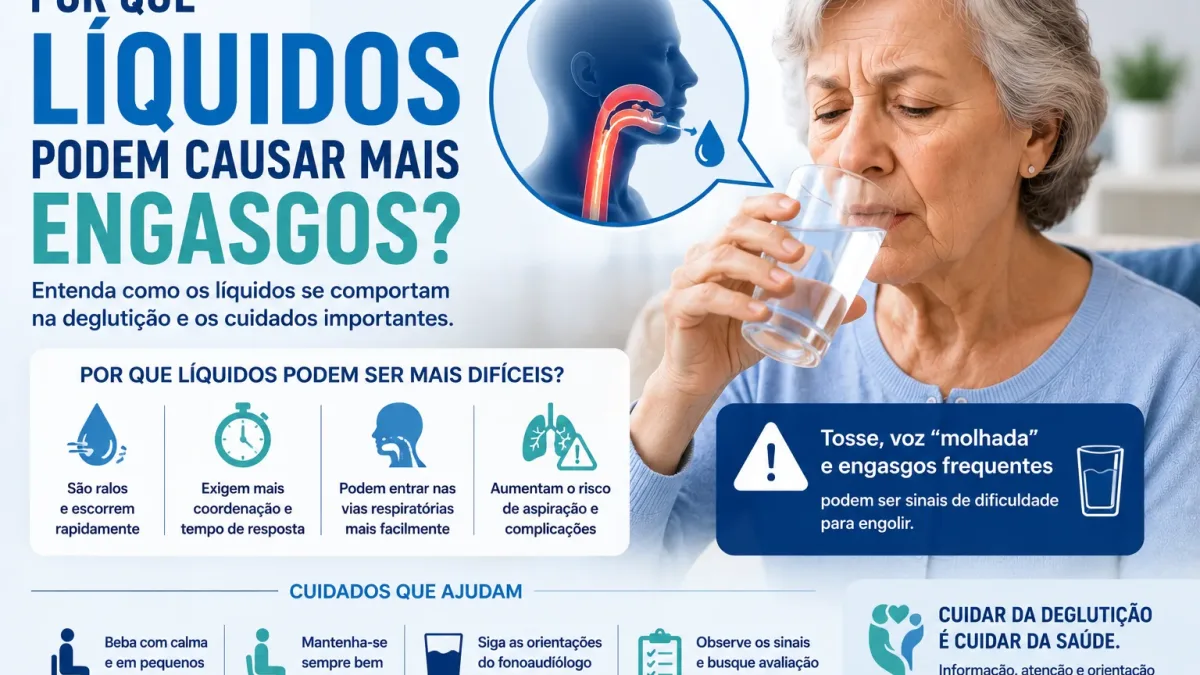
Learn why thin liquids may cause choking, which signs to observe while drinking, and when to discuss safer hydration with a professional.

Learn why chewing slowly may help reduce choking risk in dysphagia and how meal pace supports safer eating.

Understand precautions when taking medication with water in dysphagia and when to ask for professional guidance.
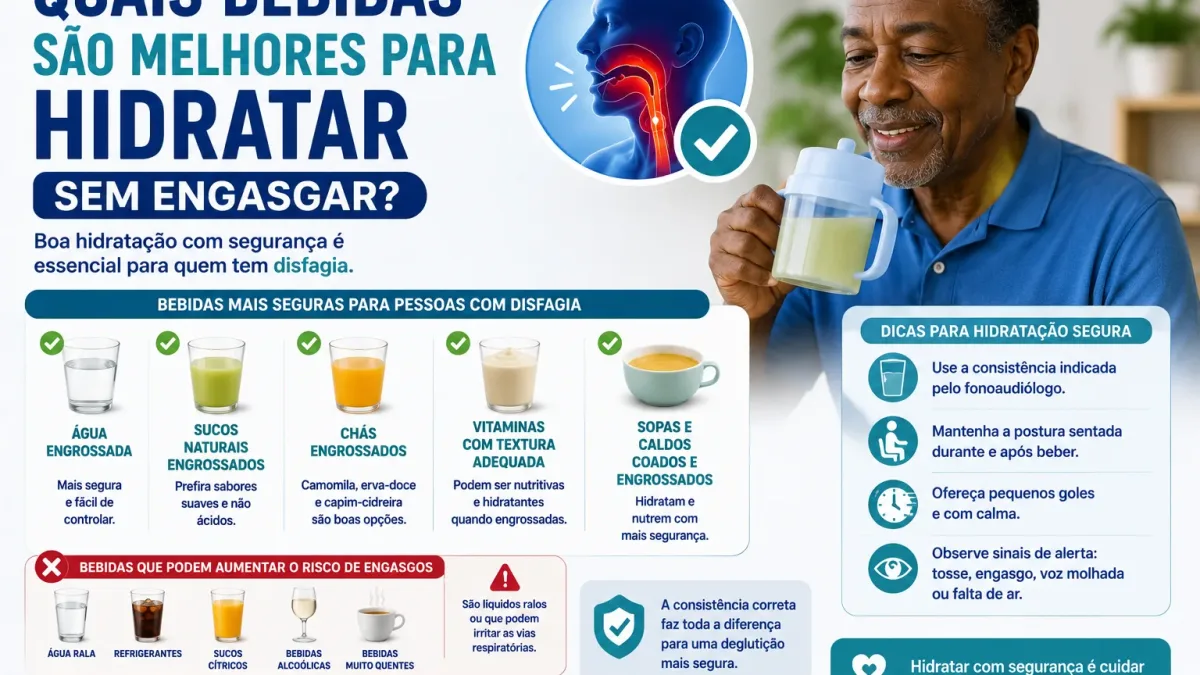
Learn how to choose drinks for hydration in dysphagia, which characteristics to observe, and when liquid adaptation needs guidance.
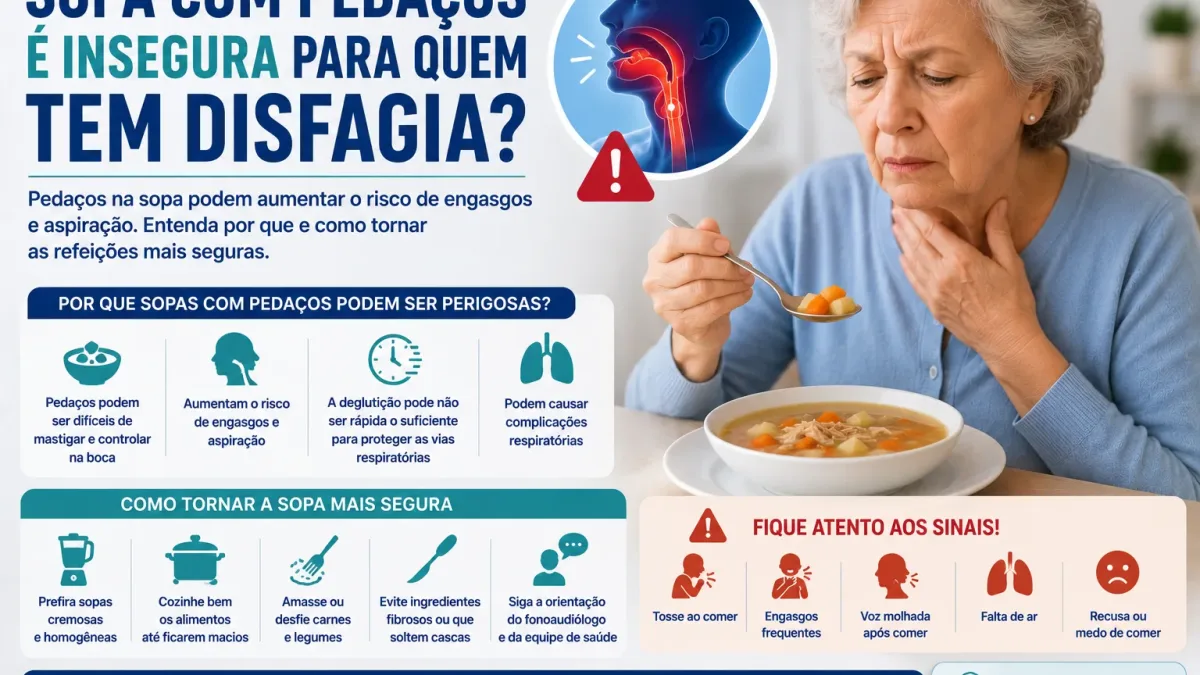
Learn why soup with broth and pieces may increase choking in dysphagia, which signs to observe, and when texture adaptation needs guidance.

Learn what to include in a digital dysphagia report, from meals and liquids to choking episodes, fatigue, and questions for appointments.

Learn how Disfagia App can work as a dysphagia diary to record meals, liquids, warning signs, and useful notes for appointments.

Understand the limits of online dysphagia screening, what a questionnaire can organize, and when in-person assessment is needed.
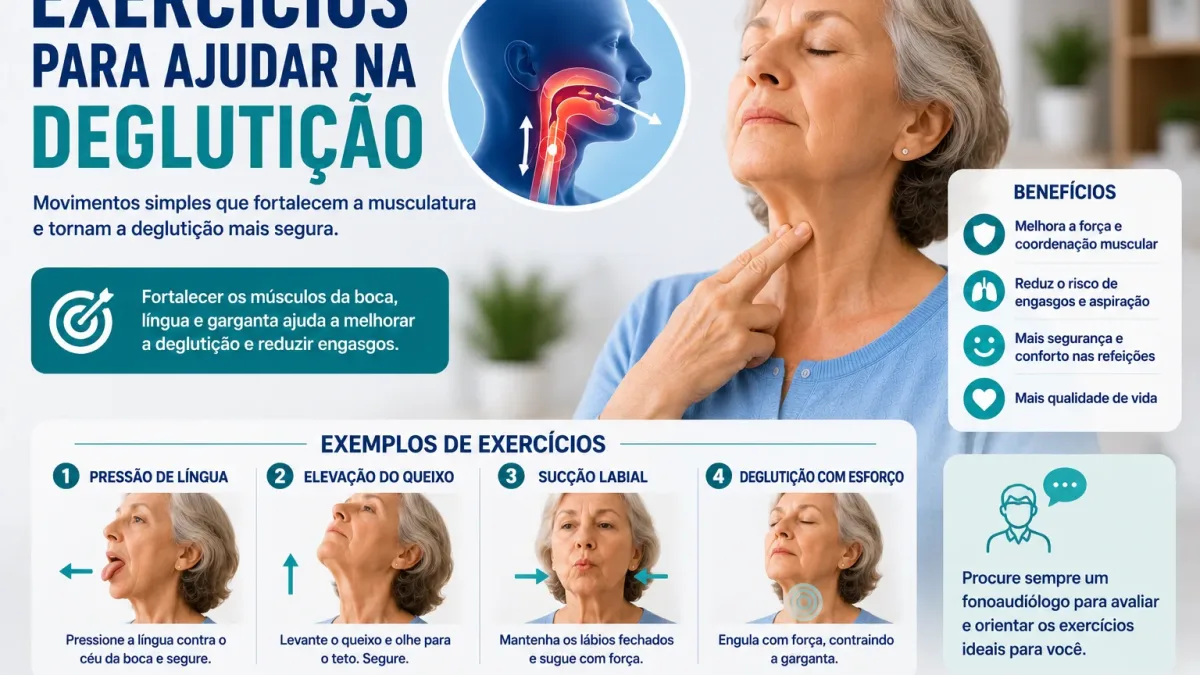
Learn when swallowing exercises may be part of dysphagia care, why they should not be done without assessment, and which signs to monitor.
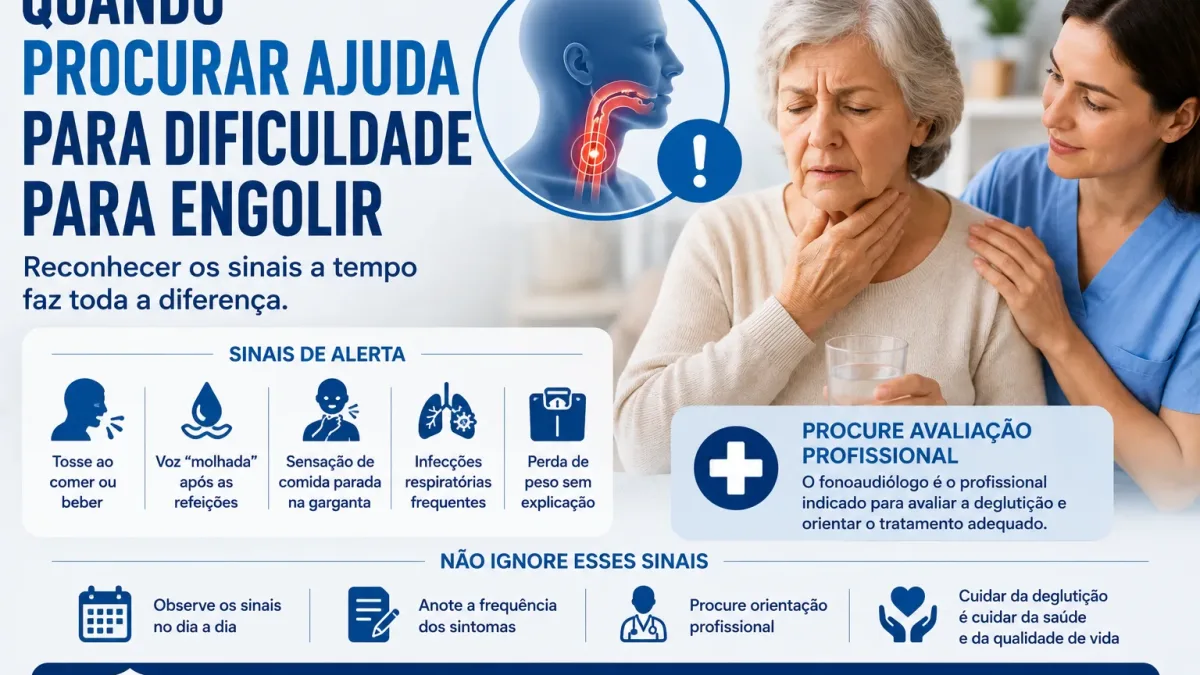
Learn when swallowing difficulty requires urgent care, scheduled assessment, or speech-language pathology evaluation, and what signs to record.

See how digital reminders can support fluid routines while respecting swallowing limits, hydration needs, and professional guidance.
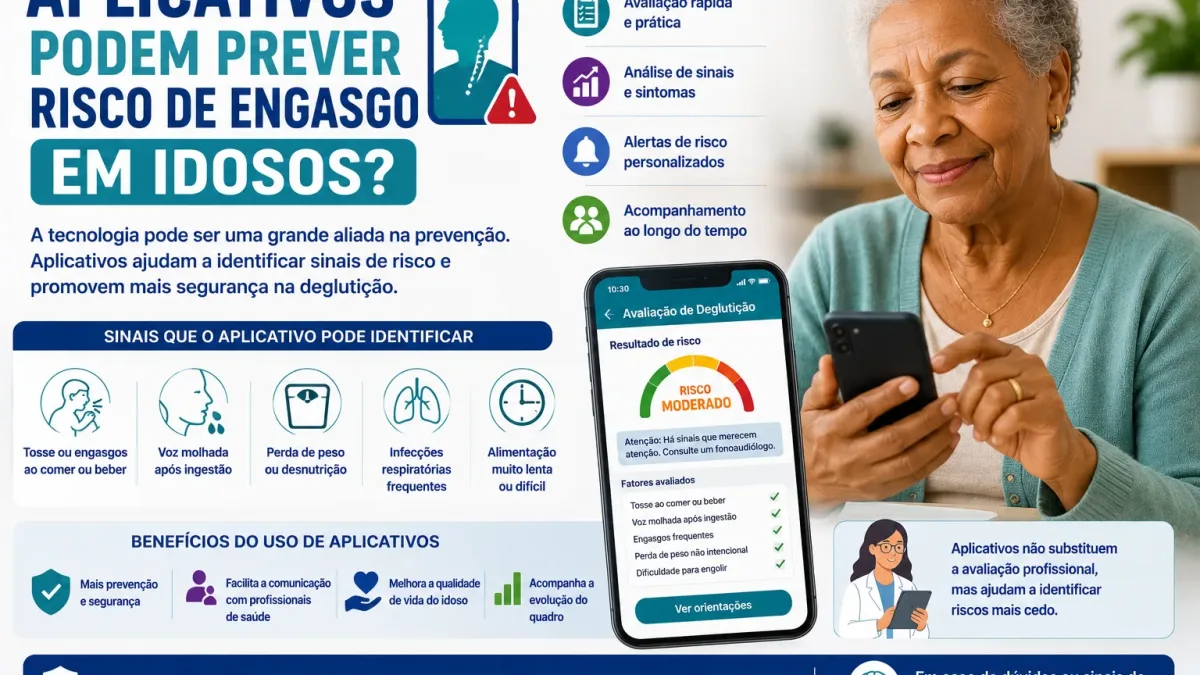
Learn what apps can and cannot indicate about choking risk in older adults, what data to observe, and why professional assessment remains essential.
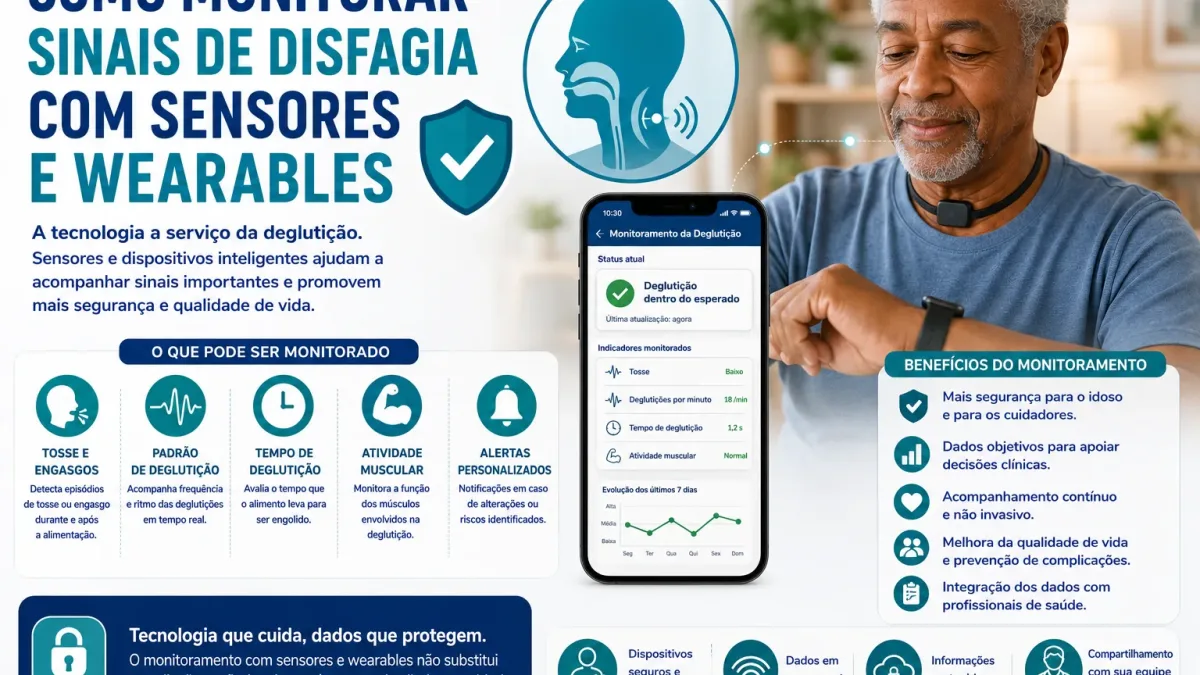
Explore how sensors and wearables may support dysphagia monitoring, what remains experimental, and why clinical oversight matters.
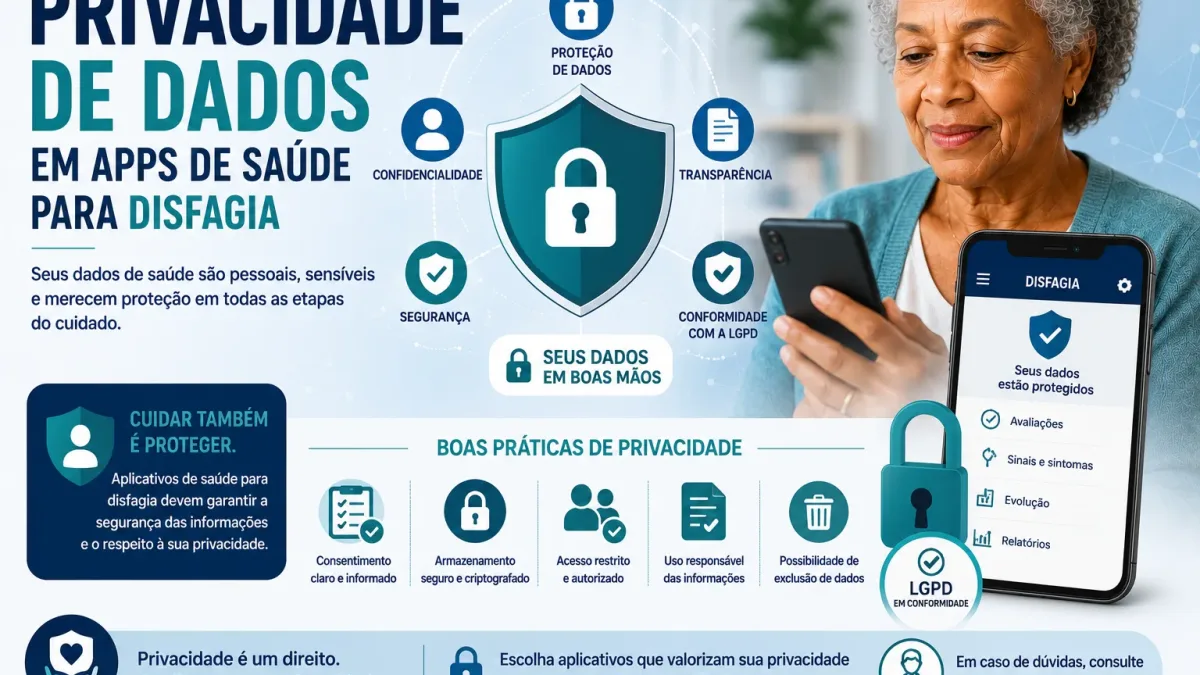
Understand what health data may be sensitive in dysphagia apps and how consent, sharing, and storage should be considered.

Understand when telehealth may support dysphagia care, what cannot be assessed remotely, and what safety criteria matter.
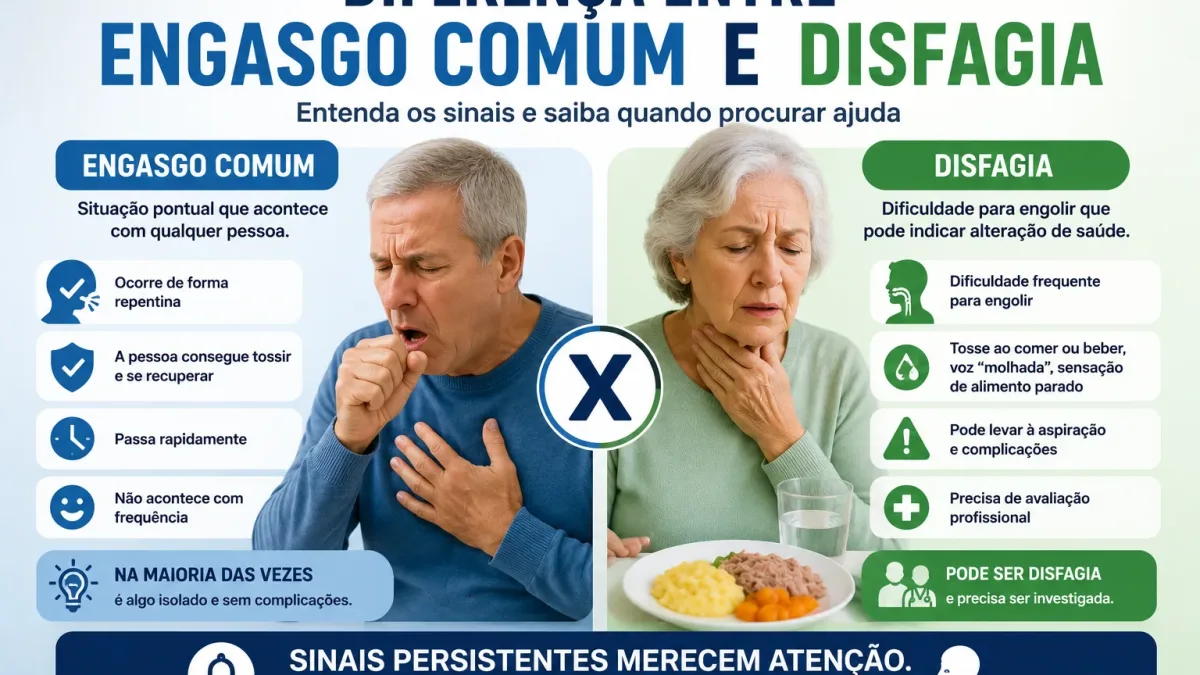
Understand the difference between occasional choking and dysphagia, which patterns deserve attention, and when professional assessment is needed.

Learn why older adults may develop swallowing difficulty, which signs are not normal aging, and when professional assessment is needed.

Learn how apps can support dysphagia records, reminders, reports, and communication without replacing professional assessment.
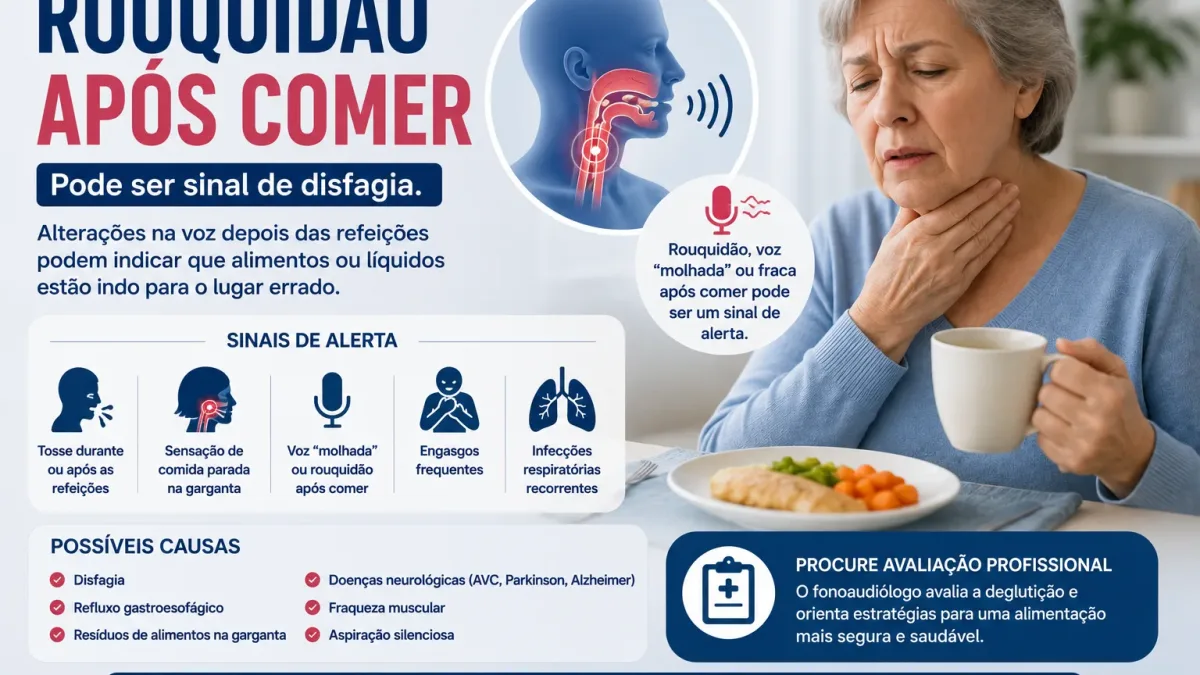
Learn when hoarseness or wet voice after eating may suggest dysphagia, reflux, or throat residue, and which signs need assessment.
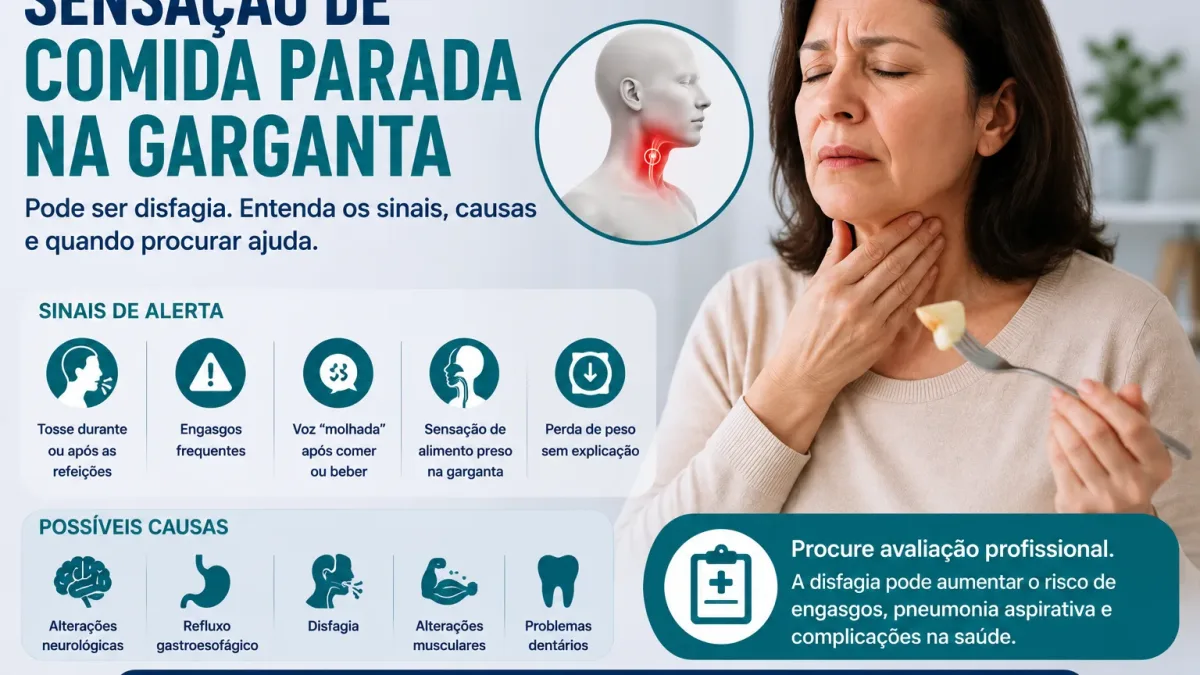
Learn when the feeling of food stuck in the throat may suggest dysphagia, reflux, or an esophageal issue, and which signs need assessment.
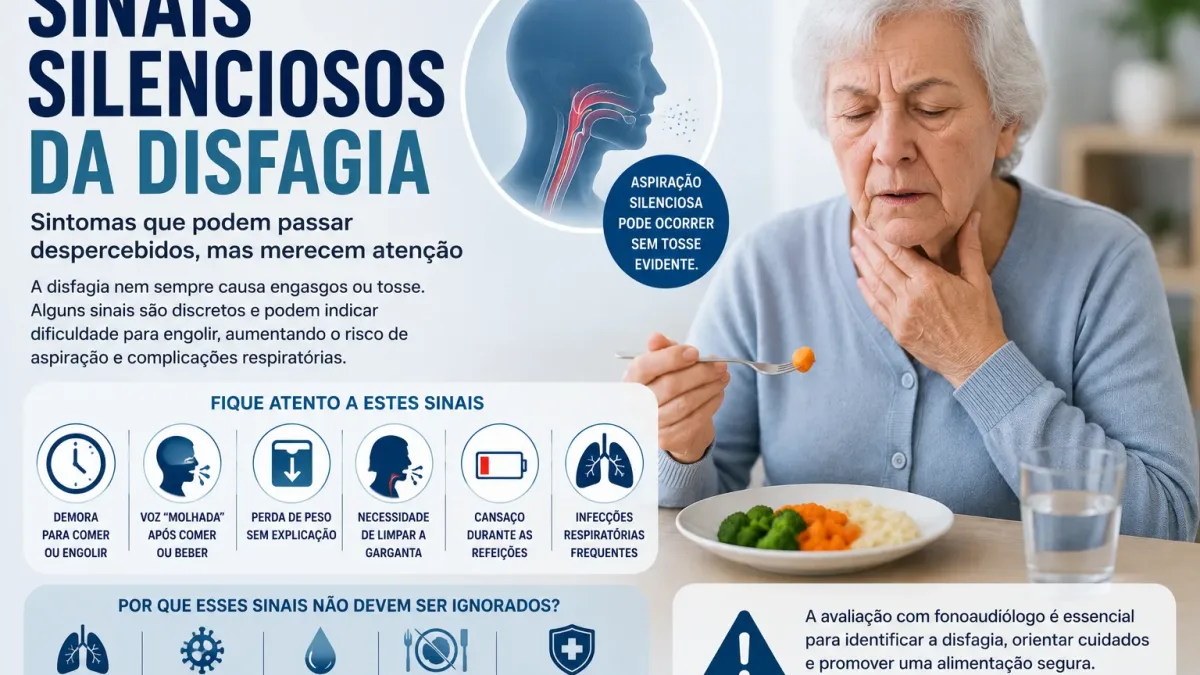
Learn subtle dysphagia signs, understand silent aspiration, and know which changes in meals, voice, weight, and breathing need assessment.
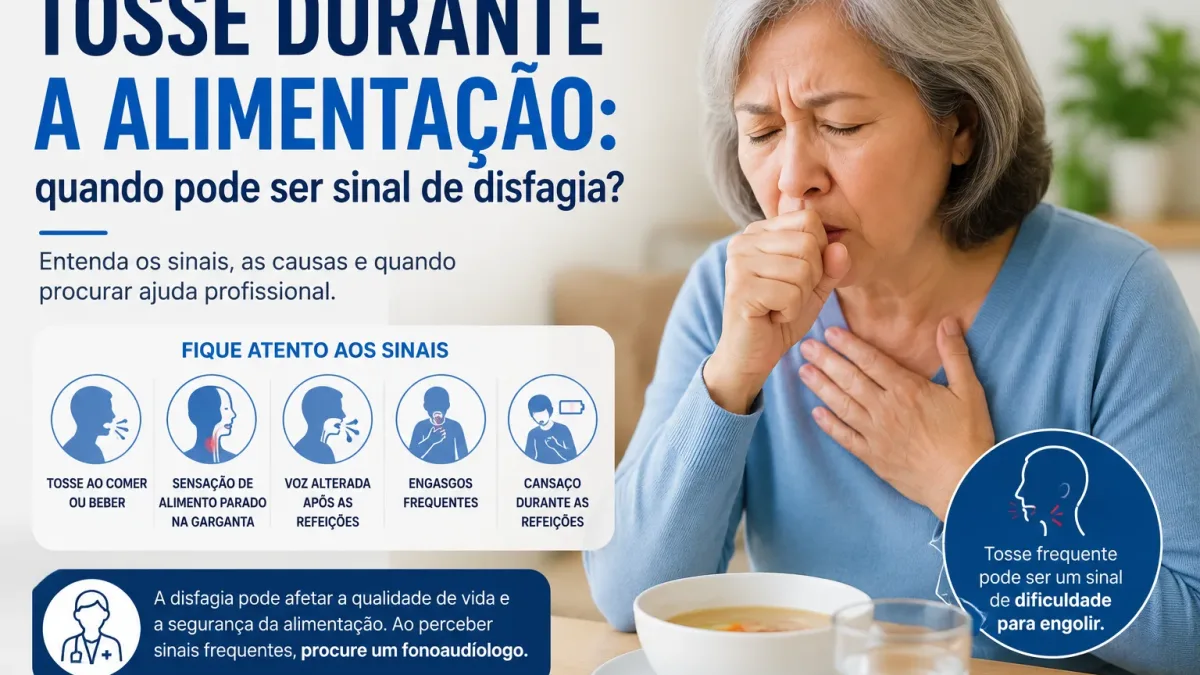
Learn when coughing while eating or drinking may suggest dysphagia, which patterns to observe, and when to seek professional assessment.

Learn how Disfagia App emerged from academic work connecting health education, mobile technology, and dysphagia screening.
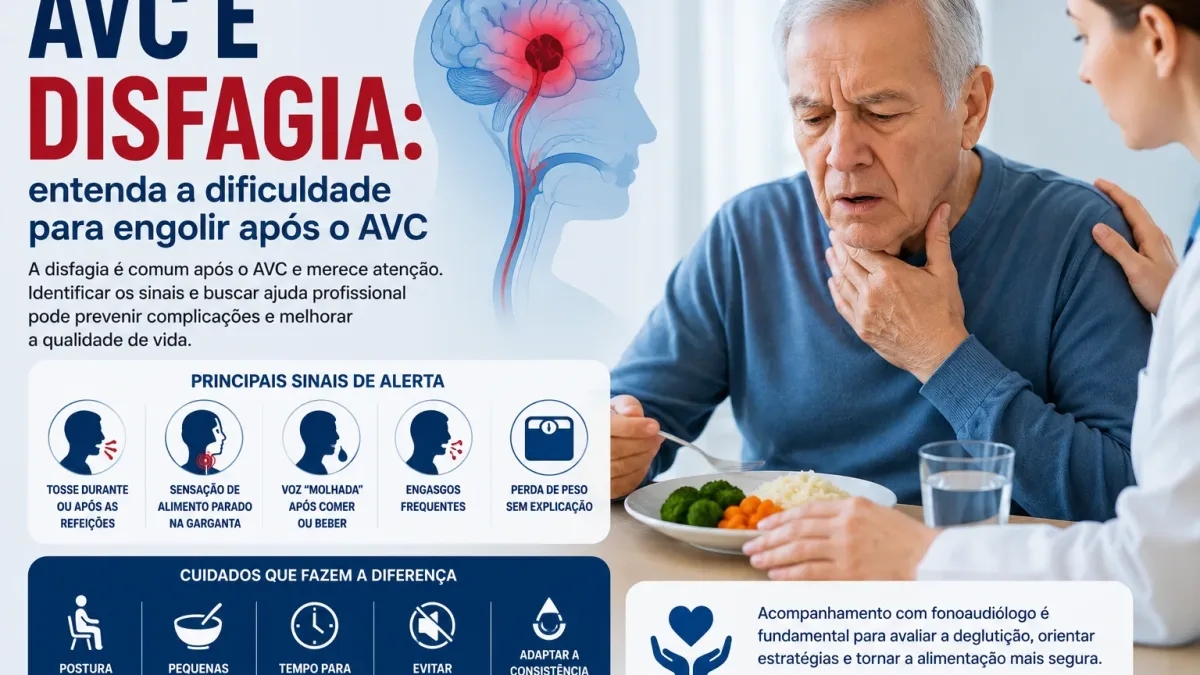
Learn how stroke can affect swallowing, which mealtime signs to observe, aspiration risks, and when professional assessment is needed.
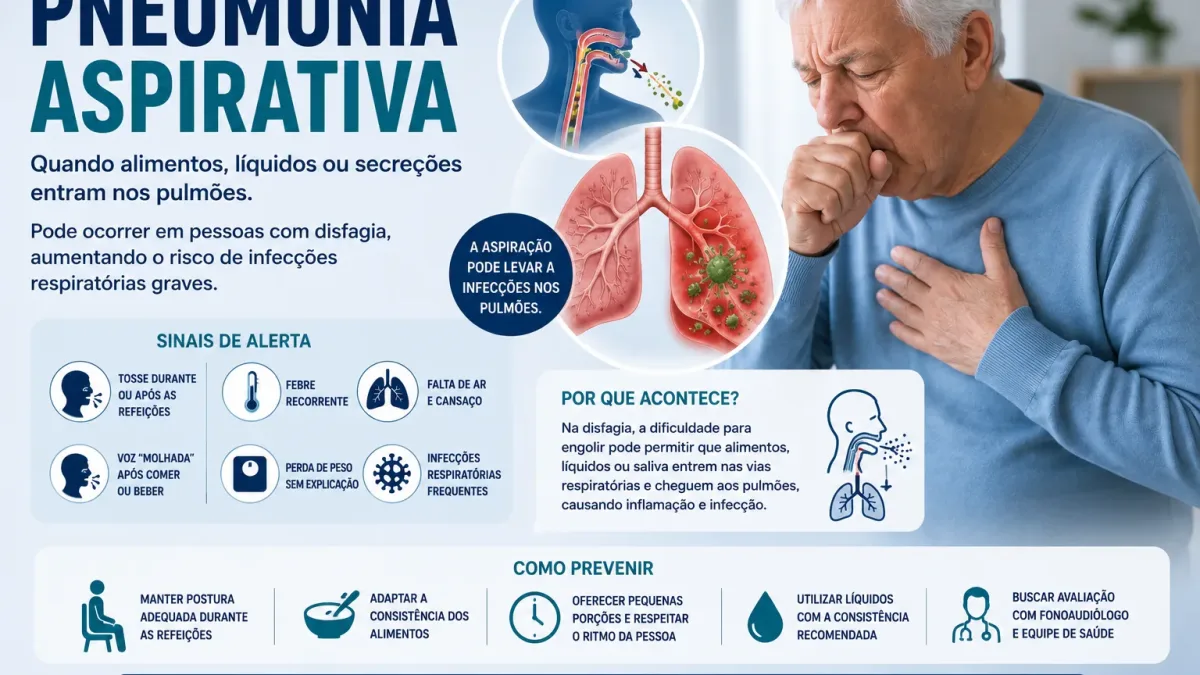
Learn how dysphagia may increase aspiration pneumonia risk, which signs to observe, and which precautions to discuss with the healthcare team.
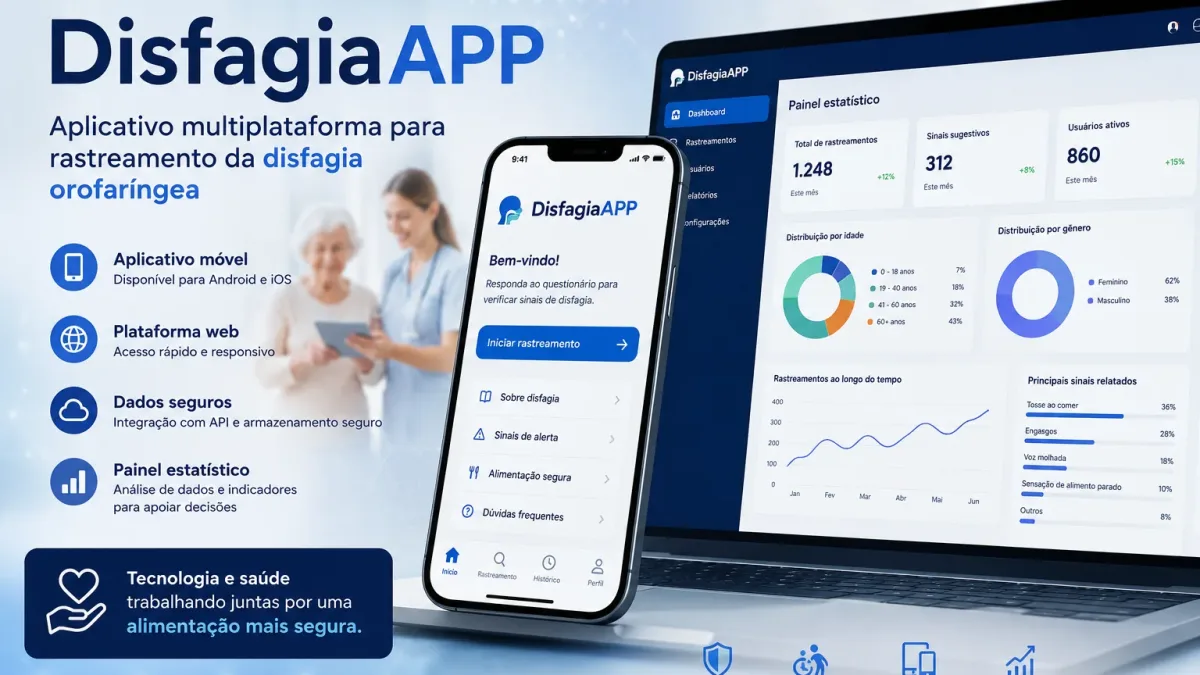
Learn how Disfagia App supports educational oropharyngeal dysphagia screening and what its results can and cannot mean.
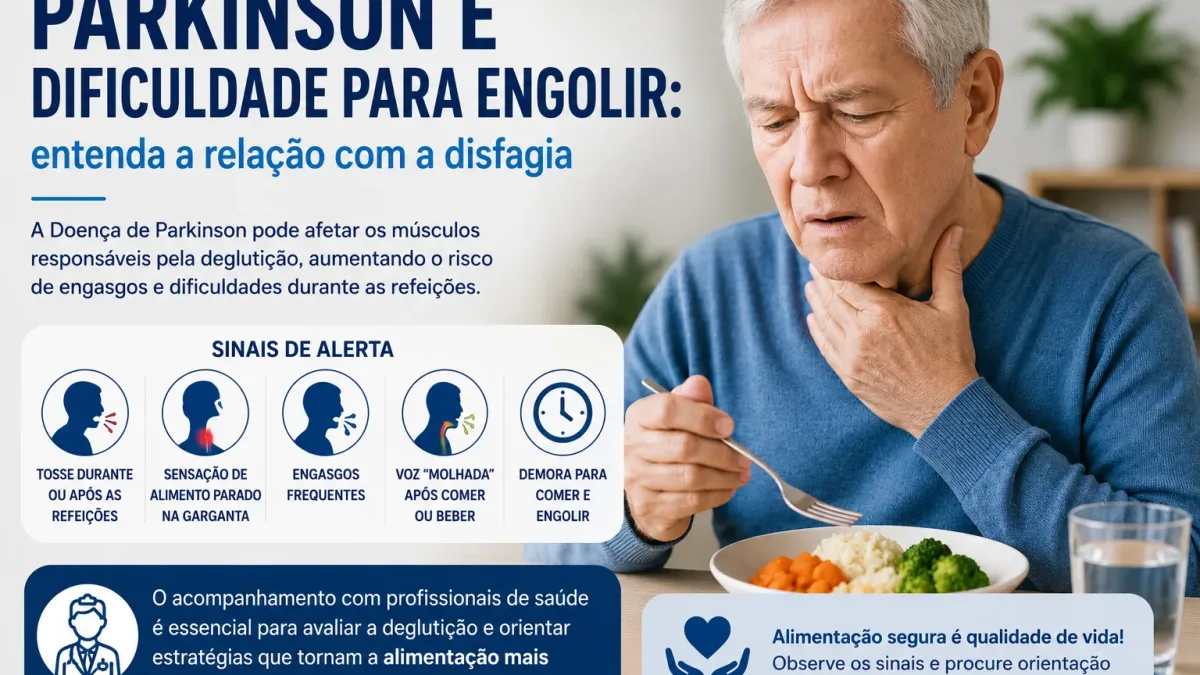
Learn how Parkinson disease may affect chewing, saliva, and swallowing, which signs to observe, and when assessment is needed.

Learn the role of speech-language pathologists in dysphagia, which signs lead to assessment, and how follow-up guides safety and rehabilitation.
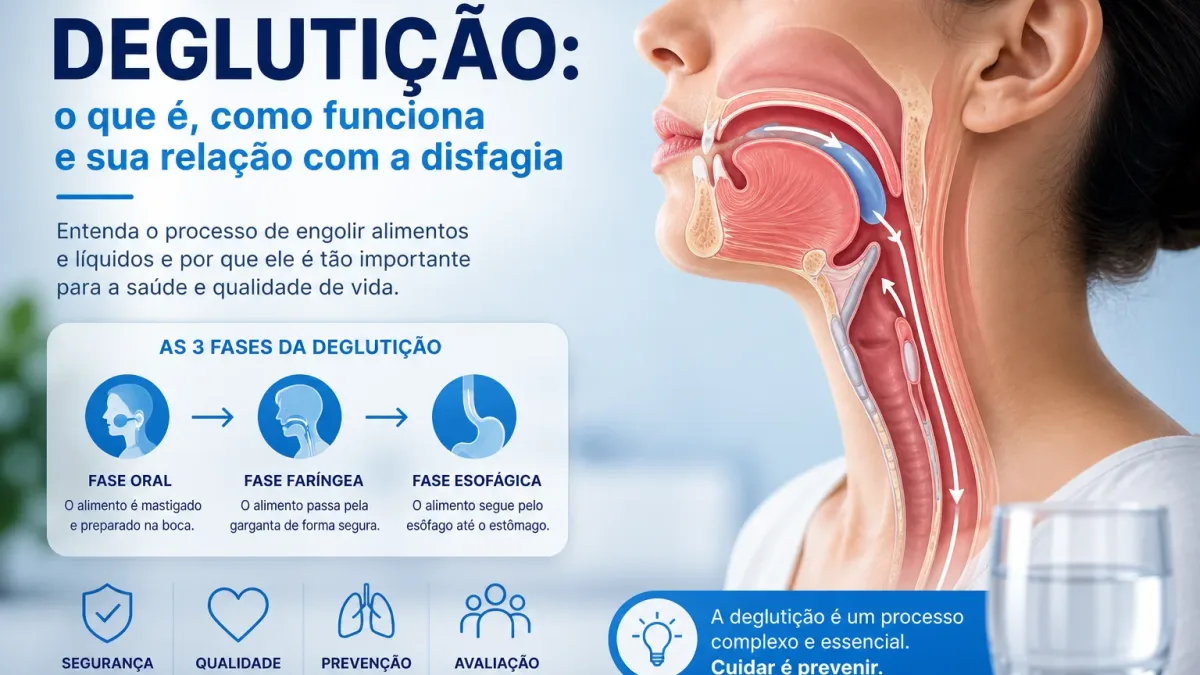
Understand how swallowing works, which stages protect the airway, and which signs may suggest swallowing difficulty.

Understand what dysphagia means, how swallowing difficulty may appear, which warning signs matter, and when assessment is needed.
We use essential storage for language preferences. Analytics and advertising storage are optional and only enabled after your choice. A certified CMP must still be configured in AdSense for regions where Google requires it.