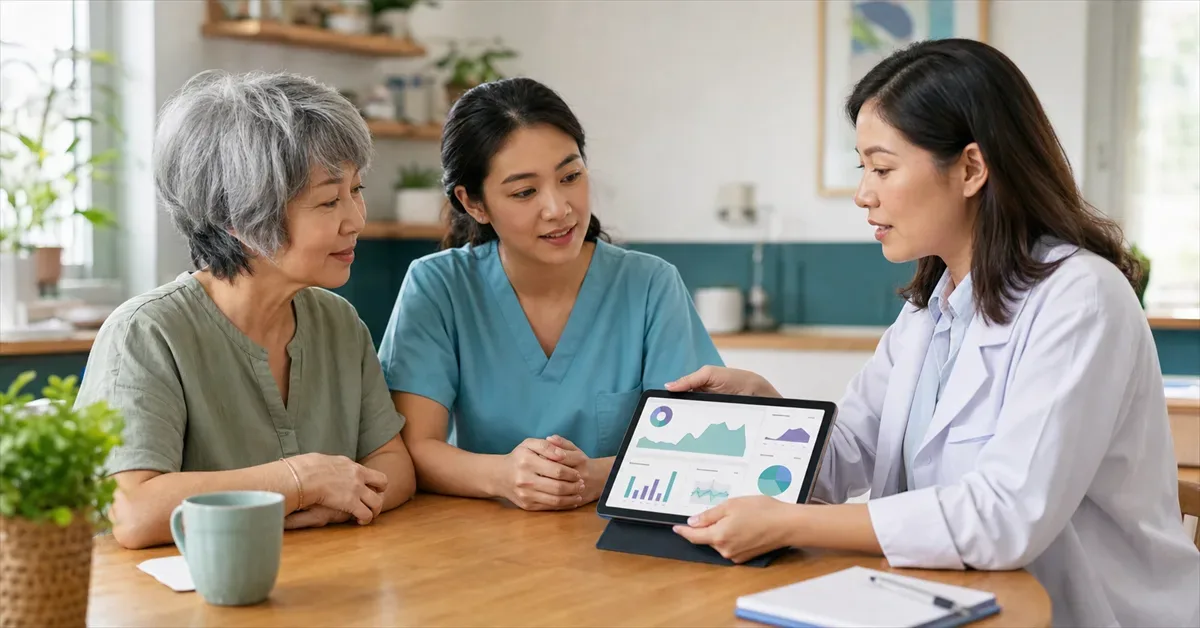
How to choose a health app to monitor dysphagia
Learn how to choose a health app for dysphagia monitoring with privacy, clear limits, and professional support.
Read articleApps, digital records, reminders, telehealth, and artificial intelligence can help organize care. The key is using technology as support, not as automatic diagnosis.
A good digital resource helps record signs and talk with professionals, but it does not replace clinical assessment or define care by itself.
Learn how to choose a health app for dysphagia monitoring with privacy, clear limits, and professional support.
Read article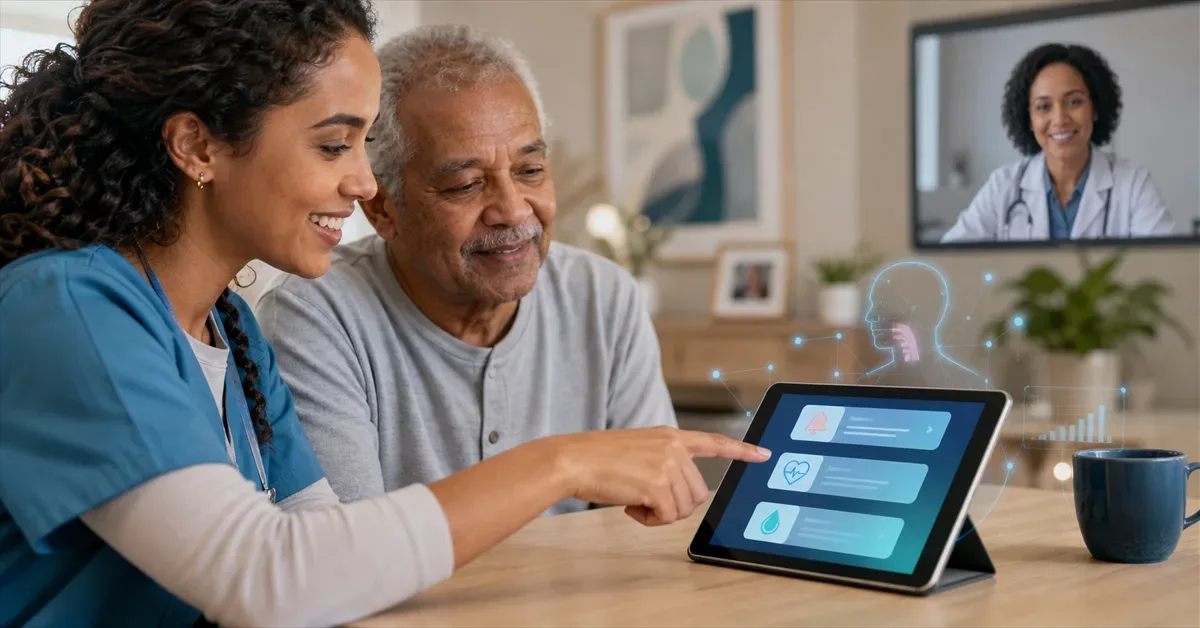
Published on June 30, 2026
Learn how digital alerts in dysphagia can help caregivers observe warning signs without replacing professional assessment.
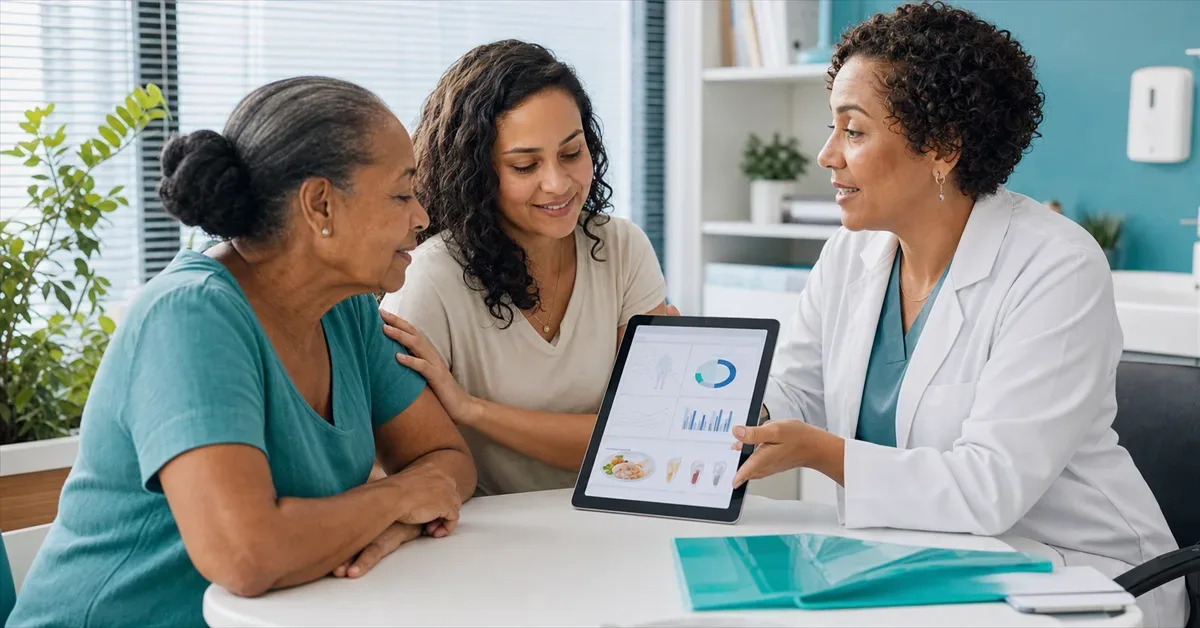
Published on June 27, 2026
Learn how to share digital dysphagia records clearly and safely while protecting health data during appointments.
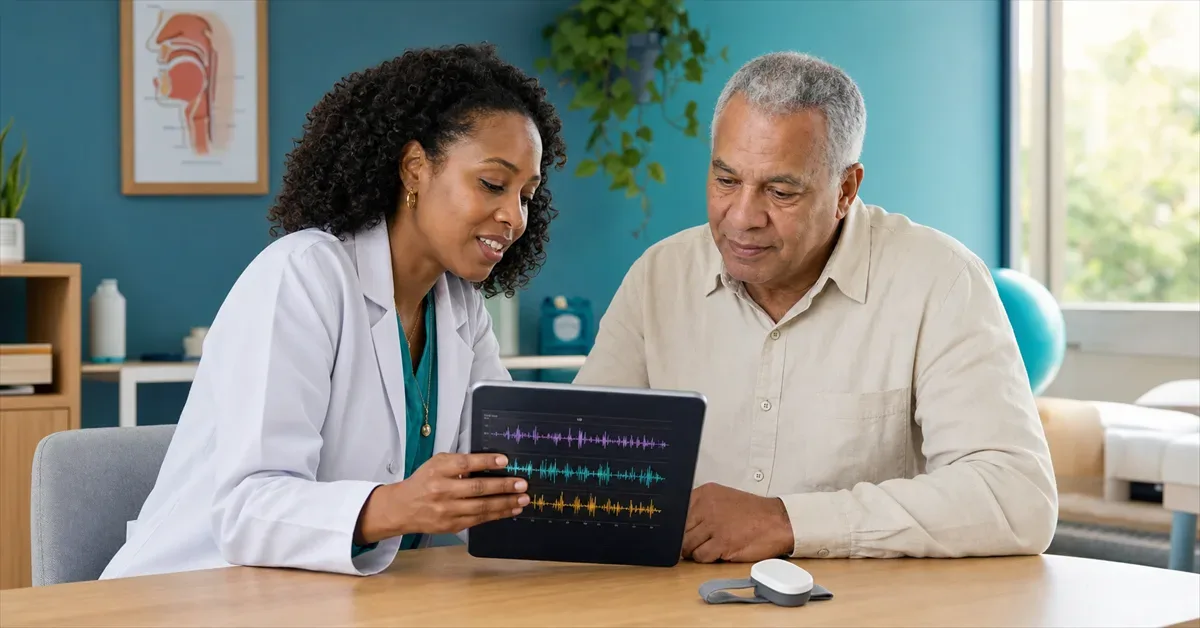
Published on June 21, 2026
Learn how artificial intelligence may support dysphagia screening and assessment, where it is being studied, and why clinical oversight matters.
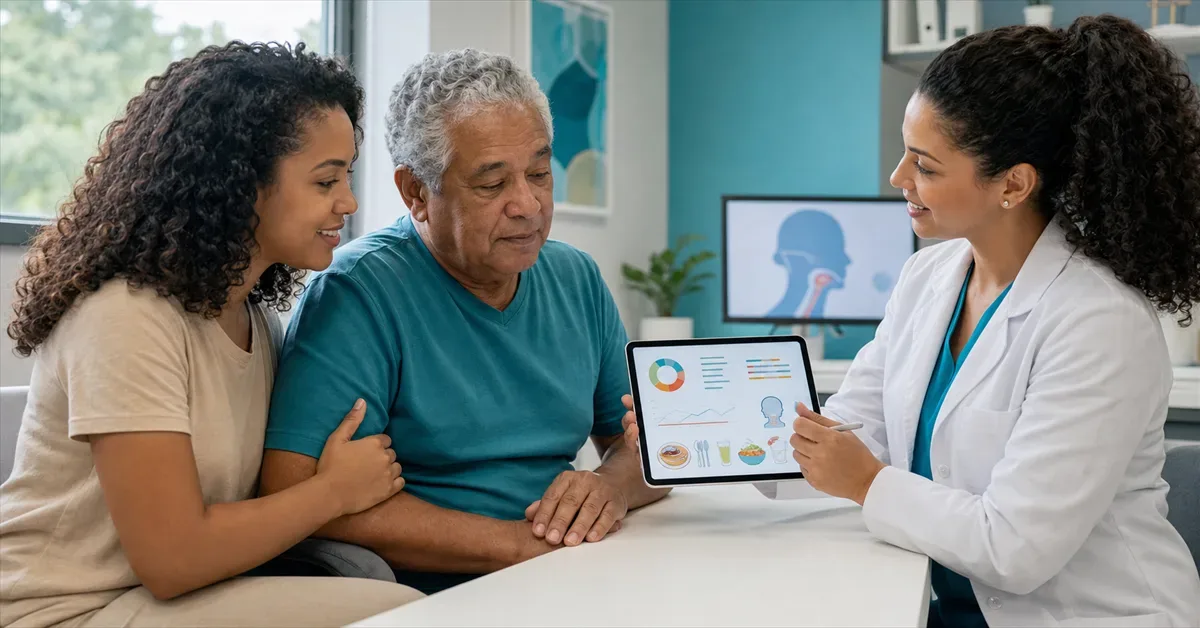
Published on June 8, 2026
Learn what to include in a digital dysphagia report, from meals and liquids to choking episodes, fatigue, and questions for appointments.

Published on June 2, 2026
Learn how Disfagia App can work as a dysphagia diary to record meals, liquids, warning signs, and useful notes for appointments.
Online questionnaires can organize signs and guide the search for assessment.
Records help caregivers bring clearer information to appointments.
Reminders can support hydration, routine, and observation of important signs.
Remote care requires safety criteria, caregiver support, and professional guidance.
Promising tools need validation, clinical context, and human supervision.
Health data is sensitive and requires protection, consent, and transparency.
Disfagia App, health apps, educational screening, and limits of online tests.
Digital diaries, alerts, reminders, and reports to share with the healthcare team.
Artificial intelligence, sensors, wearables, telehealth, and limits of remote monitoring.
Prefer tools that explain purpose, limits, privacy, data export, and when to seek help. Avoid apps that promise definitive diagnosis or diet changes without a professional.
Digital records become more useful when connected to real signs, eating routines, and professional assessment.